

Guides
Everything you want to know before you make an offer, in plain English.
Condition and risks
Era risks in Swedish homes: what the build year says about hidden defects
A home's build year predicts which hidden defects are worth checking, from blåbetong and radon to damp and facades. A calm checklist by decade.
Home inspection and hidden defects: what to check before you buy in Sweden
What a besiktning covers, how long you can hold the seller liable for hidden defects, and what you must check yourself. Plain answers for buyers.
How to read a Swedish inspection report: what the remarks mean
Find the risk analysis, understand "raised risk" and "further technical investigation", and prioritise the remarks correctly. A plain walk-through of the besiktningsprotokoll for buyers.
Risks in a Swedish house built before 1950
The main risks in a house built before 1950: radon from blue concrete, asbestos and old wiring. An old house is not the same as a bad house.
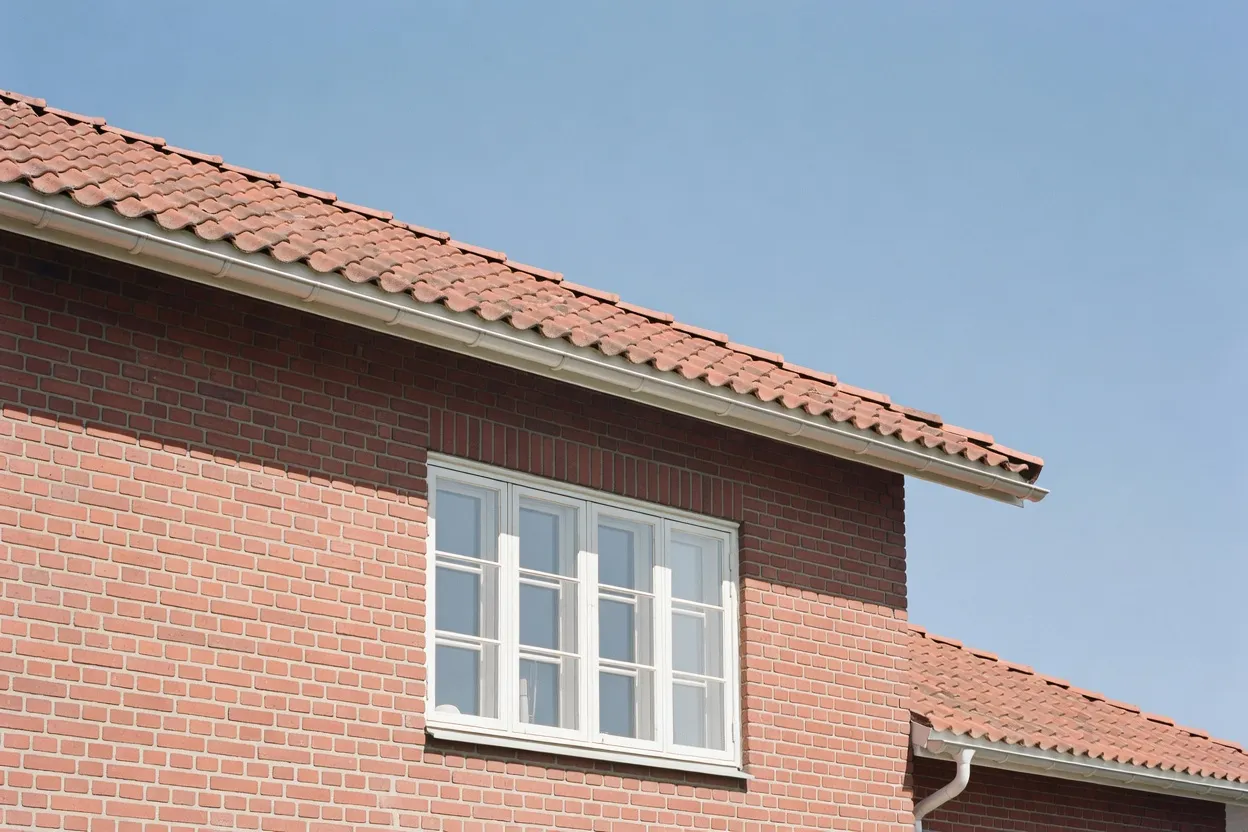
Risks in a Swedish house built in the 1950s
A 1950s house is not worse for being old. Here are the risks to check: blue concrete and radon, asbestos and old wiring, calmly and step by step.
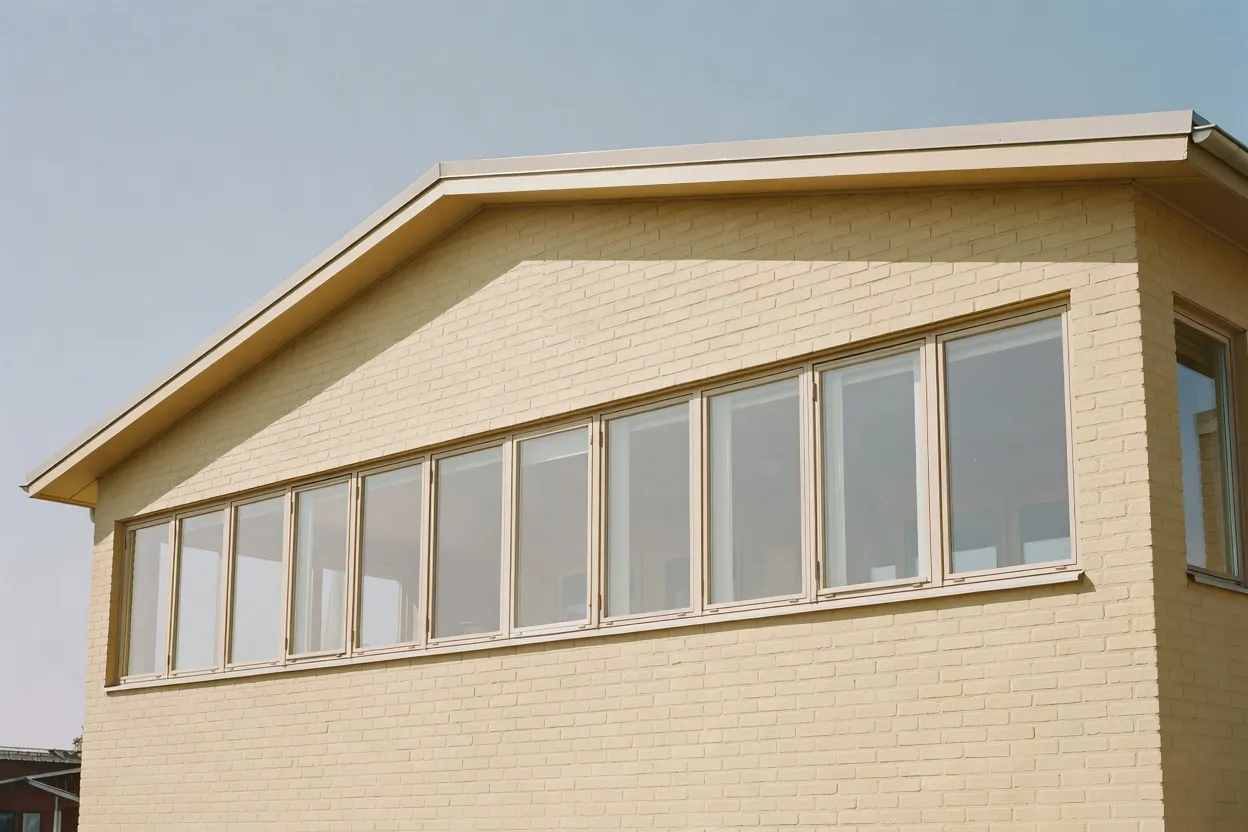
Risks in a Swedish house built in the 1960s
What to check in a 1960s Swedish house: radon from blue concrete, damp in the foundation and asbestos. A calm checklist, rough costs and questions for the agent.
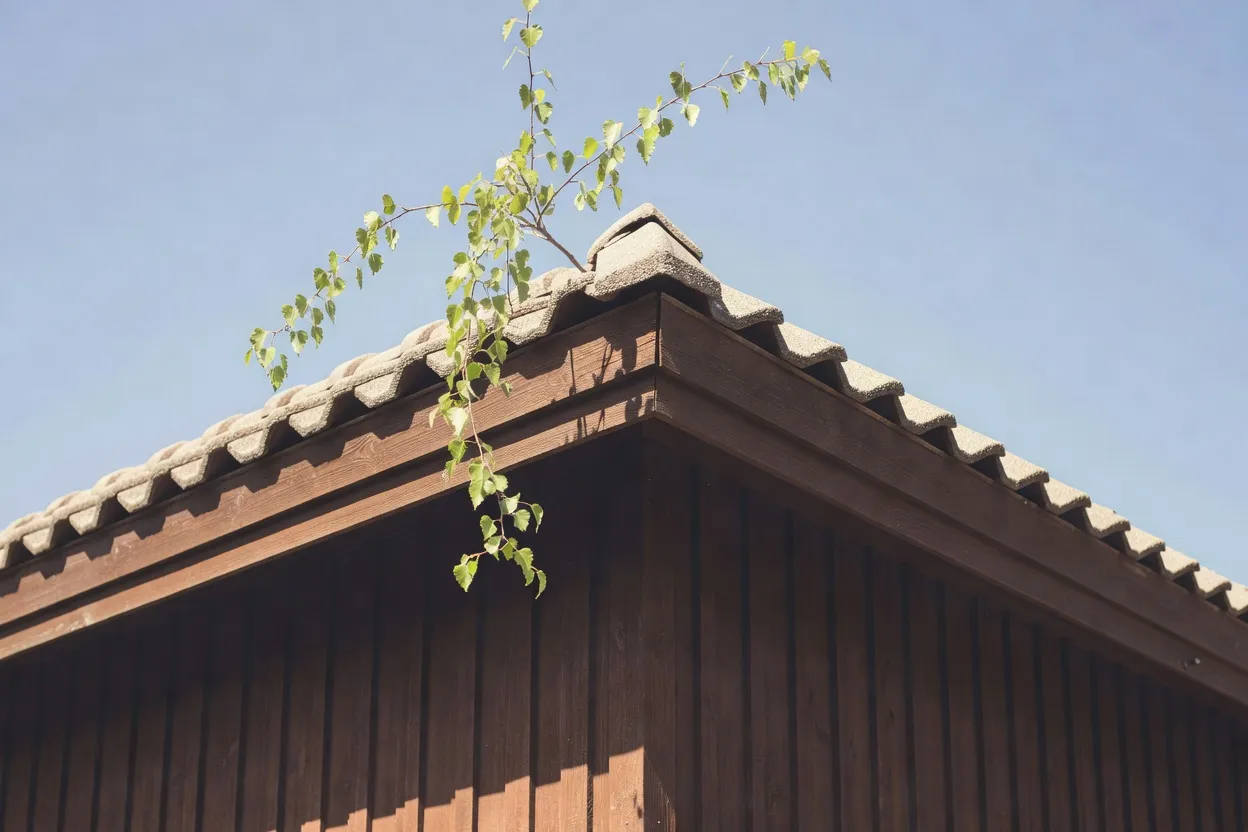
Risks in a Swedish house built in the 1970s (the miljonprogrammet era)
The key things to check in a 1970s house: radon from blue concrete, damp in the foundation and roof. Old does not mean bad.
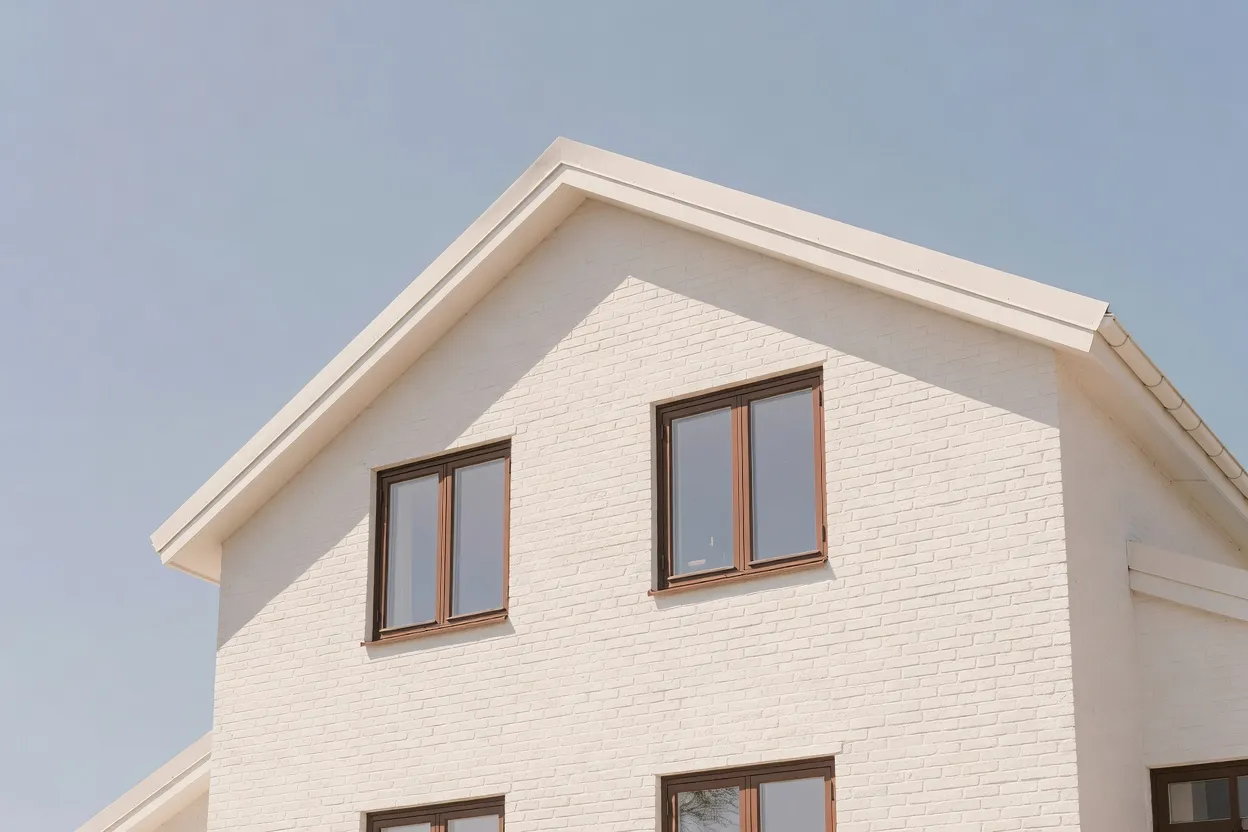
Risks in a Swedish house built in the 1980s
The common risks in 1980s houses: moisture in sill plates, crawl spaces and bathrooms nearing end of life. What to check and what it usually costs.
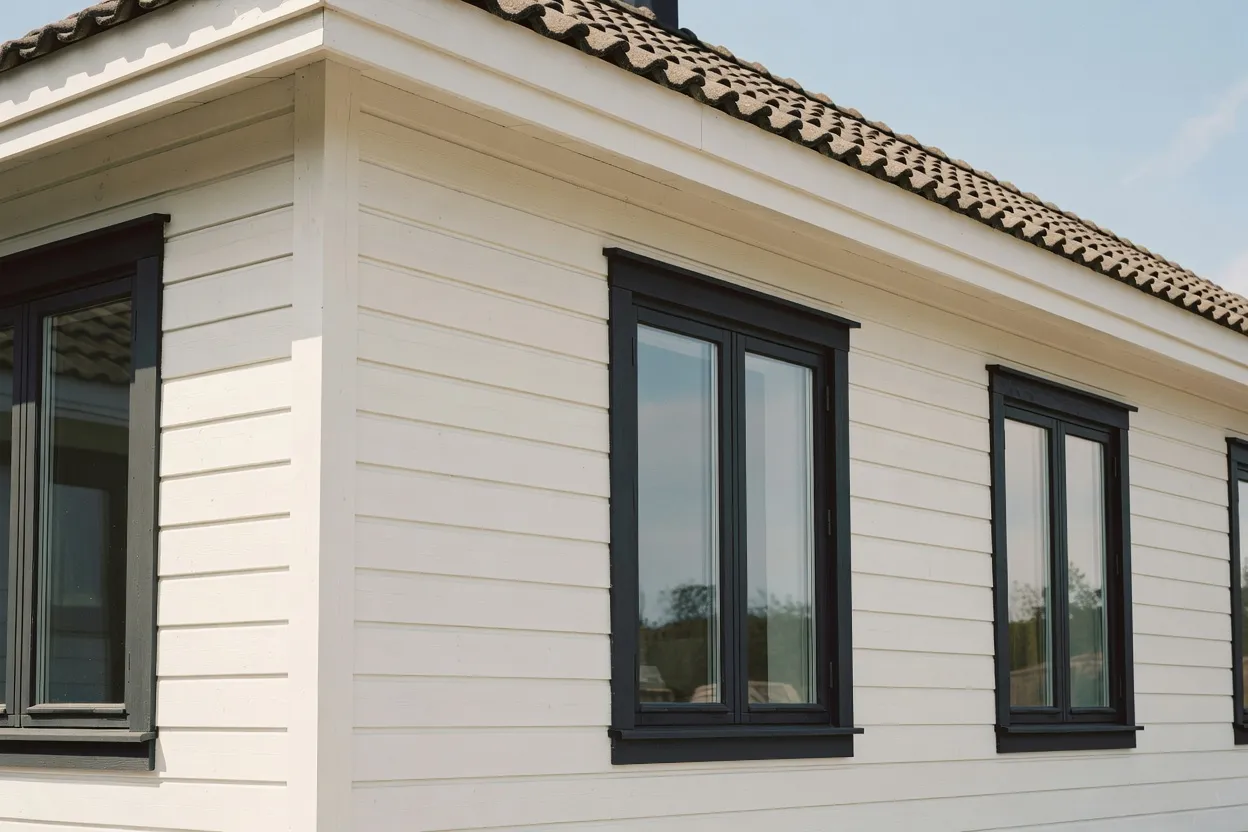
Risks in a Swedish house built in the 1990s (single-stage sealed facade)
1990s houses are often in good shape. Check the single-stage sealed facade, crawl space and bathroom. What to look for and what it can cost.
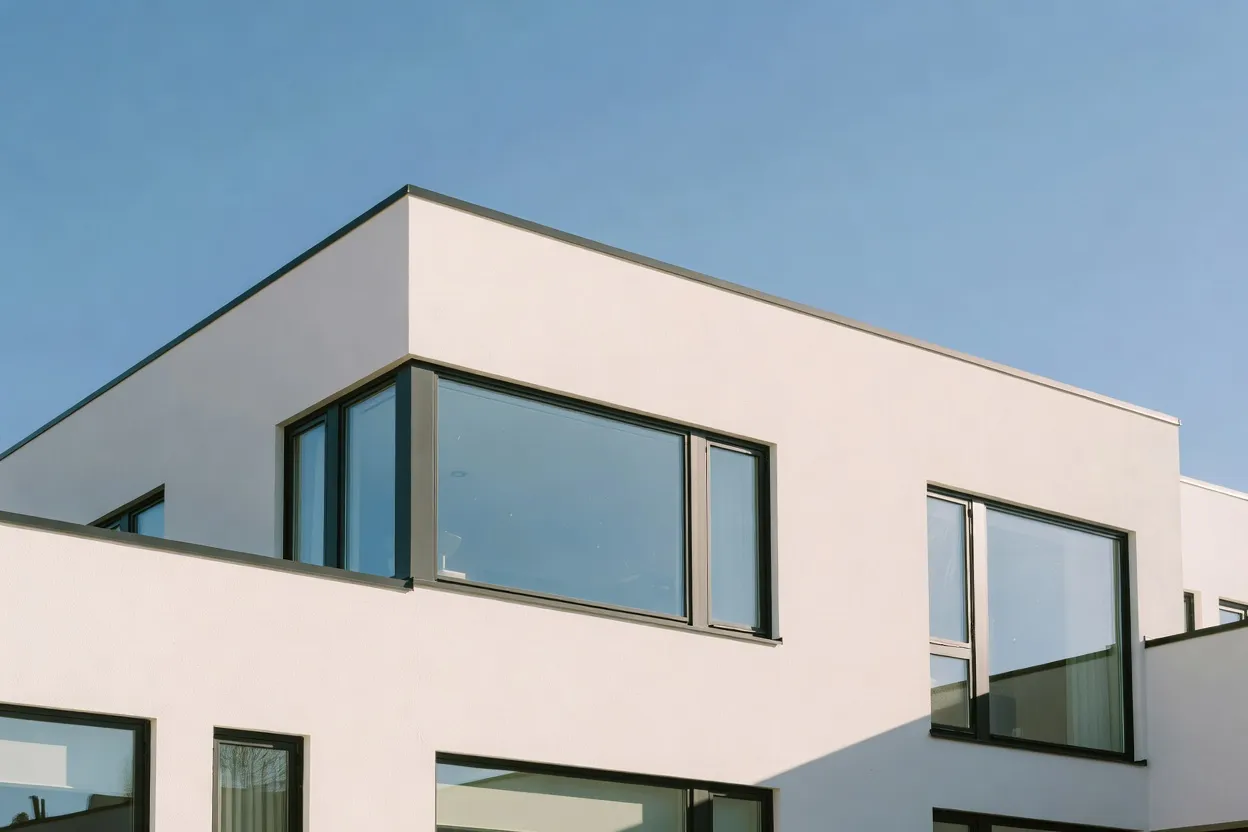
Risks in a Swedish house built in the 2000s
Houses from the 2000s are usually in good shape. The main thing to check is a single-stage sealed facade. Here is what to look at calmly before you bid.
The association
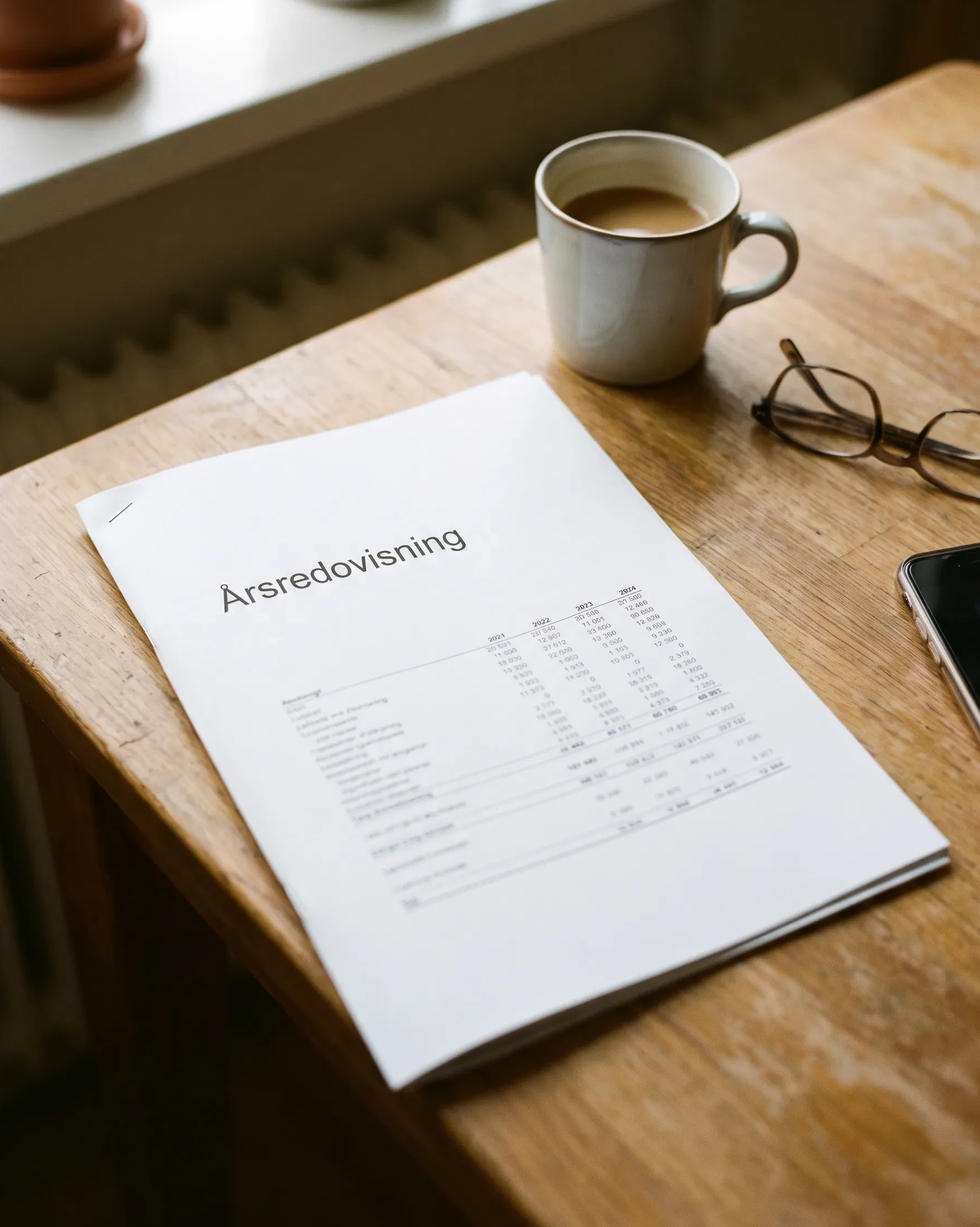
BRF finances: how to read the annual report before you buy
Seven mandatory key figures since 2023, rule-of-thumb levels for debt and savings per sqm, and what interest sensitivity means. How to judge a BRF.
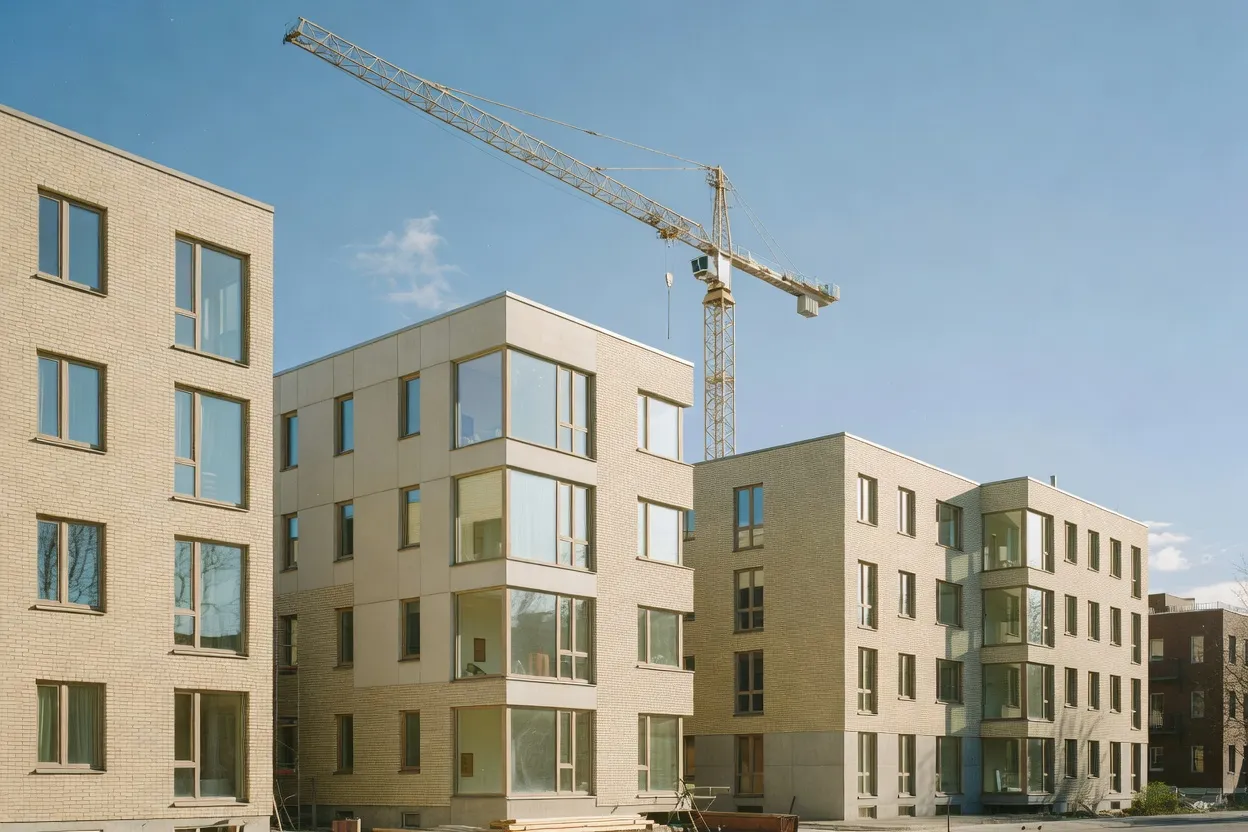
Buying new-build: the risks of a brand-new bostadsrätt association
The biggest risk in a new-build is not bankruptcy but high debt in the association. Here is how to read the economic plan before you sign.
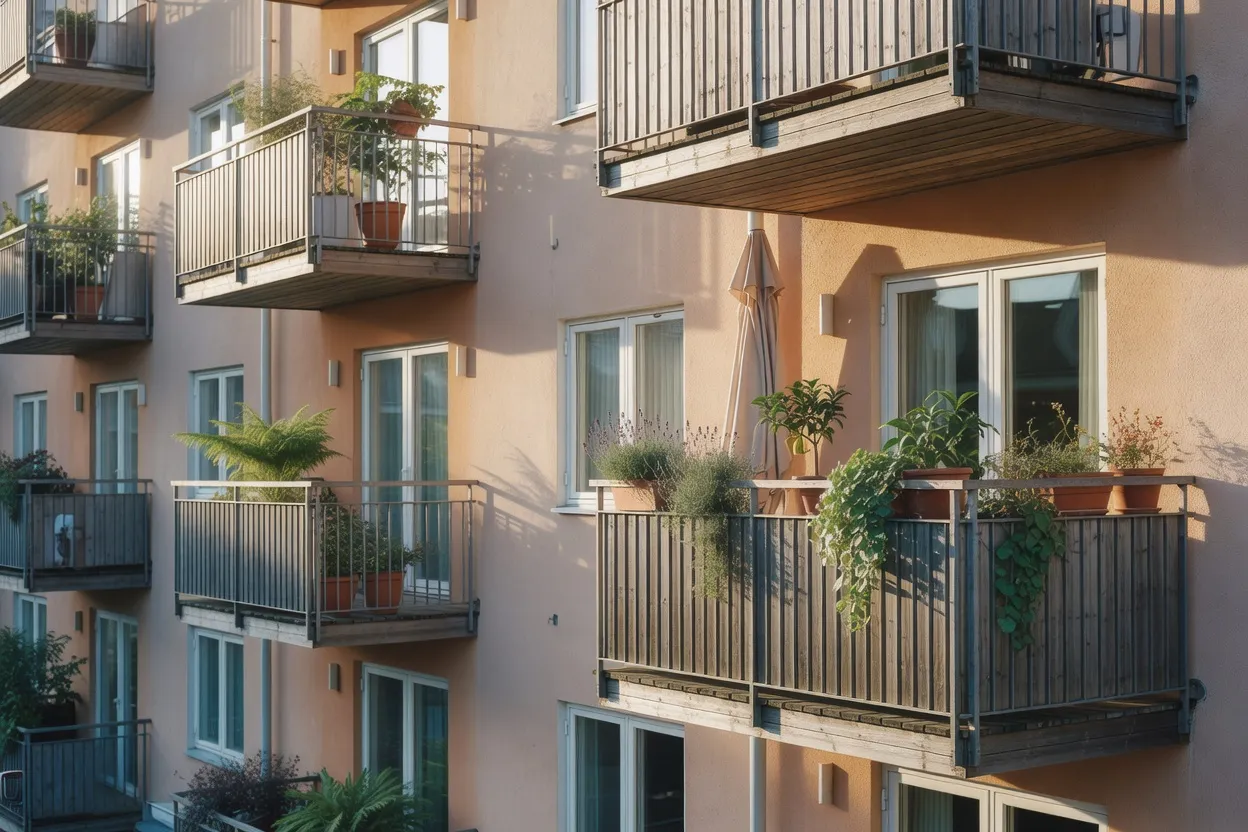
Stambyte (pipe replacement) and fee increases in a BRF: what it means for you as a buyer
A stambyte often costs 250,000-300,000 kr per flat and is needed after 30-50 years. How to check the BRF has saved for it, and what pushes the fee up.
Money and costs
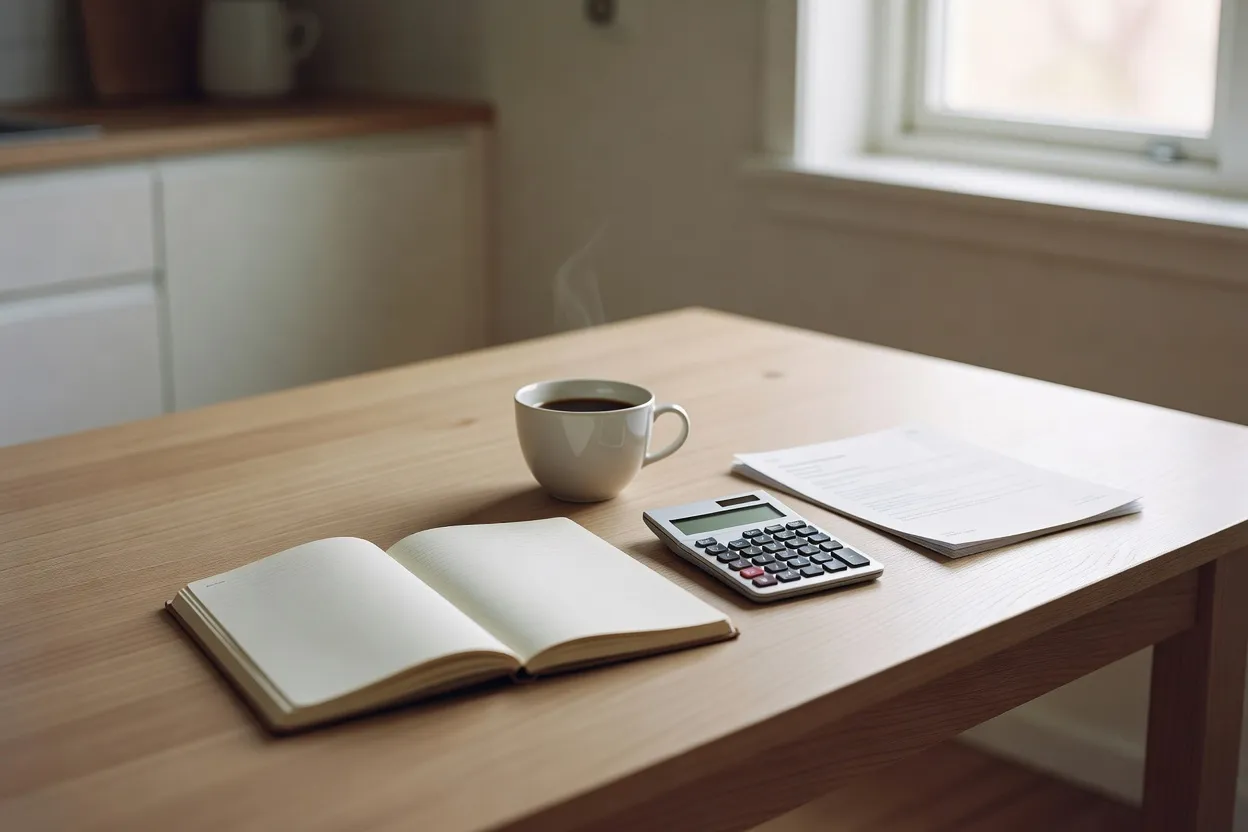
Can I afford it? Swedish mortgage budget and stress test at 6 percent
Work out if you can afford the home. Stress-test the monthly cost at 6-7 percent, the way the bank does, and see what you have left to live on.
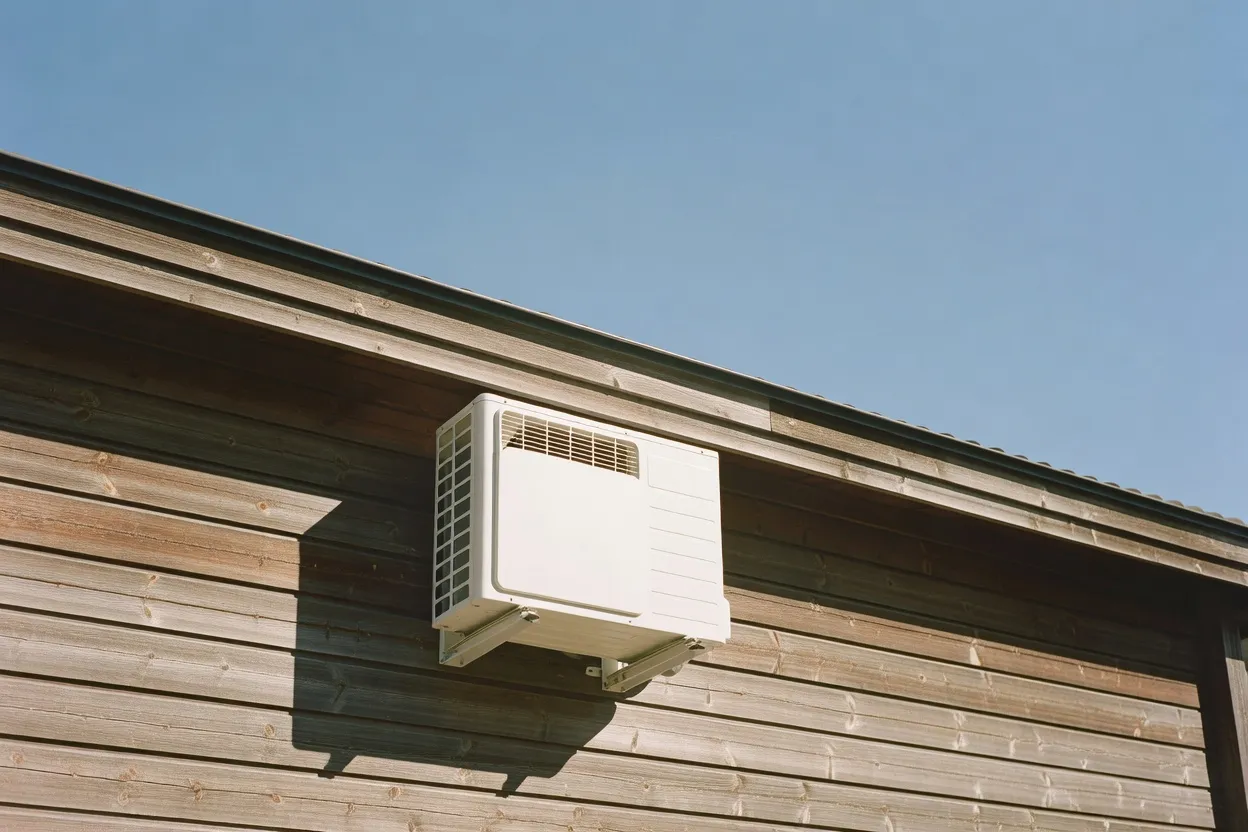
Energy declaration and energy class in Sweden: what the letter means for your costs
What the A to G energy class says about heating costs, how to read declarations from before and after 1 October 2026, and why the new EU rules do not force you to renovate. Plain answers for buyers in Sweden.
New Swedish mortgage rules 2026: 90 percent loan-to-value cap and 10 percent deposit
From 1 April 2026 Sweden has new mortgage rules: the loan-to-value cap rises to 90 percent, the deposit drops to 10 percent and the stricter amortisation rule is removed.
Operating costs and monthly cost: what a home actually costs in Sweden
The asking price is not what the home costs. Here is the real monthly cost: interest, amortisation, operating costs and maintenance, with figures and worked examples.
What does renovation cost in Sweden? Guide prices per room and job 2026
Indicative prices to renovate kitchen, bathroom, floors, roof, facade and windows in 2026, plus the ROT deduction. How to estimate the renovation need before you buy.

The process
Buying a home in Sweden step by step 2026: from loan promise to handover
How to buy a home in Sweden in 2026: 10 percent deposit, what a bid and the purchase contract mean, plus what lagfart and stamp duty cost.
Buying a home in Sweden: the newcomer's guide to bostadsrätt, bidding and loans
What surprises newcomers buying a home in Sweden: a bostadsrätt is a share in an association, the loan promise is preliminary, and no law governs the bidding.
Buying a home together in Sweden: unequal deposits and the samboavtal
Buying a home together but putting in different deposits? How to protect whoever pays more, using ownership shares or a samboavtal plus a debt note.
Pantbrev and lagfart 2026: what they cost and how to calculate
Lagfart costs 1.5 percent of the price, pantbrev 2 percent of new loans. How to work out your buying costs and avoid paying more than you need to.
Questions to ask the agent at a viewing: a buyer checklist
The agent must answer honestly and disclose known defects. Here are the questions to ask at a viewing about condition, finances and bidding.
Viewing checklist: what to look for room by room
Go to the viewing with a plan. What to check before, during and after, room by room, and the red flags for moisture and expensive defects. A practical checklist for buyers.
Won the bidding? How the purchase contract, deposit and inspection clause work in Sweden
A home purchase only becomes binding once the contract is signed. How the handpenning, inspection clause and review period work after your bid wins.
Selling
Capital gains tax on a home sale in Sweden 2026: what you pay when you sell
You pay 22 percent tax on the gain when you sell your home. How to calculate the gain, what counts as an improvement cost, and how deferral (uppskov) postpones the tax interest-free.
Selling a home in Sweden 2026: step by step from prep to tax
Preparation, choosing an agent, pricing, bidding, contract and tax. A calm walk-through of the whole sale, with what the law requires and what it costs.