

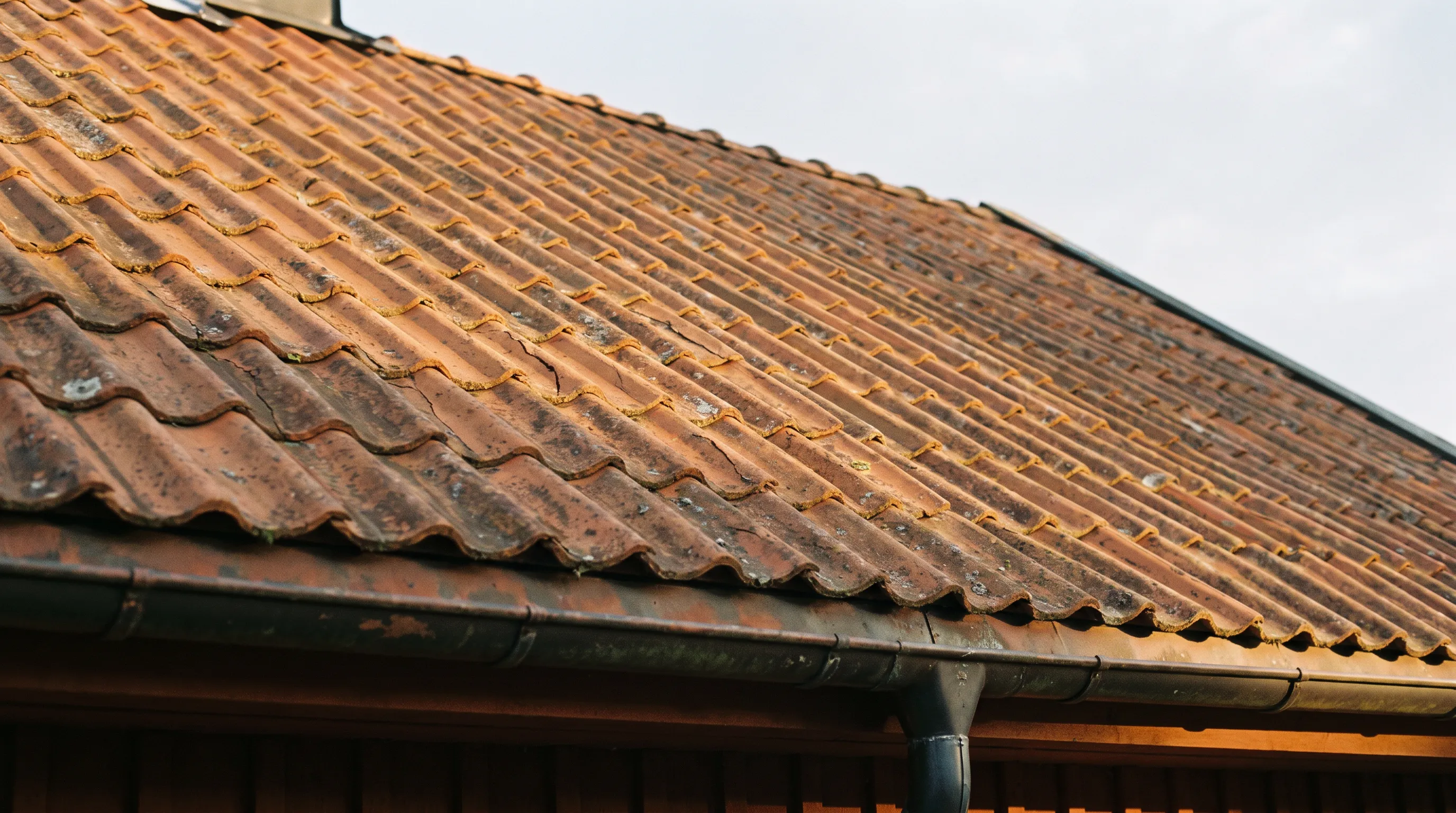
Roof: lifespan and cost
The roof is one of the most expensive parts to replace, and the material decides how often. The table shows typical lifespan and what a new roof usually costs, so you can price it before you bid.
The ranges apply to a normal-sized house. Actual cost depends on size, access and region. Lifespan means technical lifespan with normal upkeep. In a share-based flat the big repairs are a share of the housing company’s project and show up in the charge or the company loan.
| Component | Lifespan | Replacement cost |
|---|---|---|
| Clay tile roof | 45 yrs (35-60) | 20 000-80 000 € |
| Sheet metal roof | 40 yrs (30-50) | 15 000-60 000 € |
| Bitumen felt roof | 25 yrs (20-35) | 12 000-45 000 € |
| Flat roof | 30 yrs (20-40) | 20 000-90 000 € |
| Roof underlay | 40 yrs (30-50) | 8 000-30 000 € |
| Rainwater system (gutters and downpipes) | 30 yrs (20-40) | 3 000-12 000 € |
How long does a tile roof last?
Tile and concrete are among the toughest roofs and stay in place for decades. The underlay beneath the roof surface has a shorter life, and it is often what decides when the roof needs redoing. At a viewing it is worth asking the age of the underlay, not just the tiles.
What does a new roof cost?
The price is driven mostly by the size and pitch of the roof and how hard it is to reach. A steep roof costs more to redo than a flat one. Sheet metal and felt are cheaper to buy but differ in how long they last. The cost in the table applies to a normal-sized house and includes stripping and new underlay.
When does a roof have to be replaced?
A roof that leaks, or where the surface is brittle and cracked, needs attention soon. Moss and leaves in the gutters are an early sign that water is not being led away as it should. Gutters and downpipes are replaced more often than the roof itself and are cheaper, but if neglected the damage moves down into the facade and foundation.
What the age of the house tells you
Certain build years carry known risks for exactly these parts. Here are the most common ones.
Flat roof (tasakatto) Houses built 1960–1985
Flat roof — poor fall and leak risk; check the waterproofing.
Tile roof without underlay Houses built 1950–1975
Tile roof without underlay — rain can reach the upper structure.
Inadequate upper-floor ventilation Houses built 1960–1990
Poor upper-floor ventilation — moisture condenses in the structures.
Can you lay a new roof on top of the old one?
Sometimes, but it hides the underlay and makes moisture hard to see. A condition inspector almost always wants the old roof stripped and the underlay checked before a new surface goes on.
Is a sheet metal roof better than tile?
It depends on the house. Sheet metal is light and suits steep roofs and older frames; tile is tough and quiet but heavier. Both last a long time if maintained, so the choice is more about the house than about which is best.
Related
Heimer does this for you
Paste a listing and get the monthly cost, the risks to check, and what to check. In 30 seconds.
Analyse a home See a finished analysis